What makes a vacation rental in Bonaire truly stand out? It is not just stylish furniture or a nice pool. In this market, your design choices need to support how guests actually use the island, from shore diving and wind sports to longer stays shaped by sun, salt, and steady trade winds. If you are planning, renovating, or positioning a rental in Bonaire, this guide will help you design for durability, guest comfort, and stronger market appeal. Let’s dive in.
Design for Bonaire living
Bonaire is defined by nature, water access, and outdoor activity. Official tourism messaging highlights diving, eco-adventure, warm trade winds, and a destination experience built around more than 85 dive sites and over 22 beaches, while STINAPA notes 86 public dive sites within the Bonaire National Marine Park. That means your rental should feel connected to the island experience, not disconnected from it.
In practical terms, high-performing design in Bonaire starts with outdoor living, easy circulation, and low-maintenance materials. Guests are often arriving with gear, planning active days, and spending one to three weeks on island. A property that feels easy, breezy, and purpose-built will usually outperform one that feels generic.
Prioritize airflow and shade
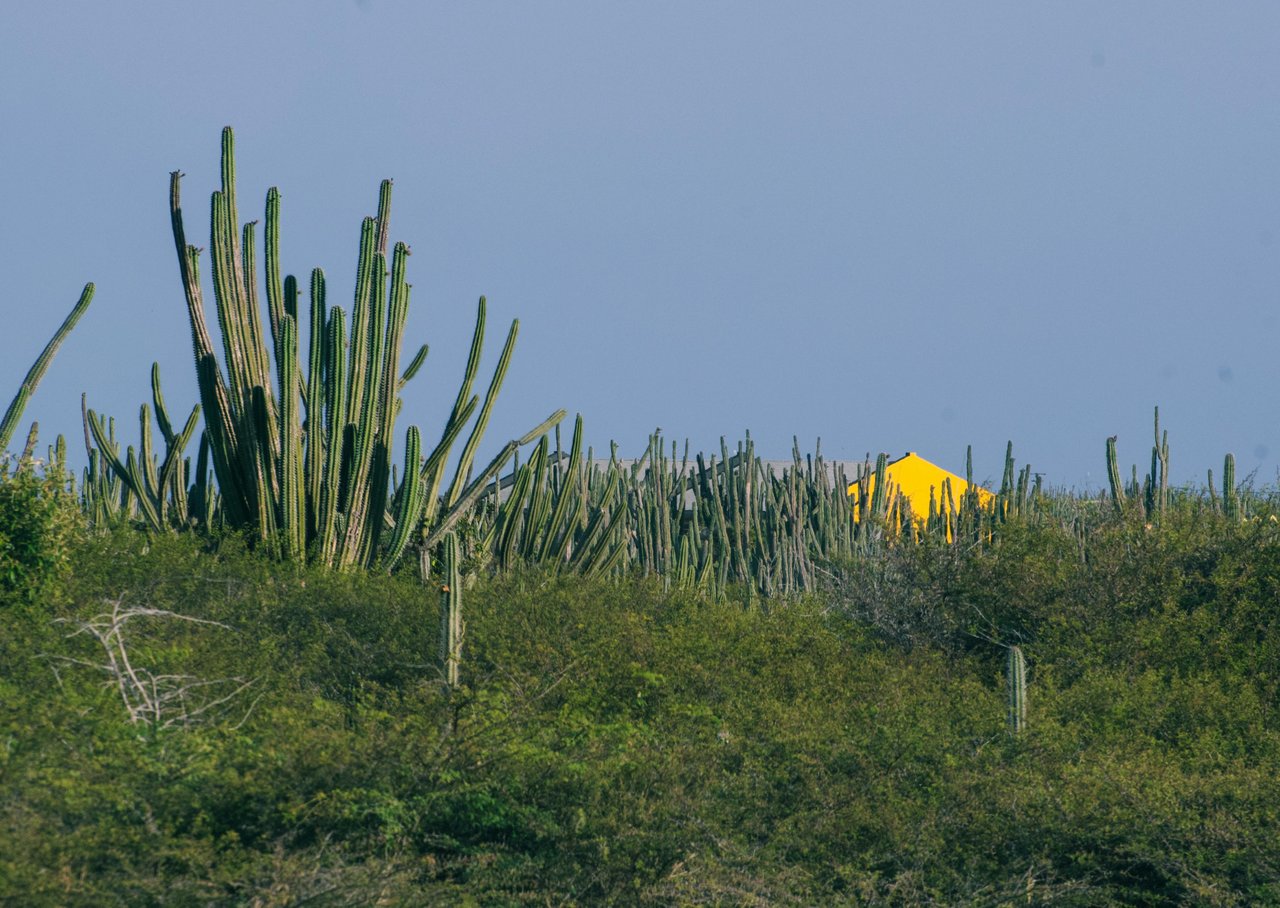
Bonaire has an arid tropical climate with low rainfall, high temperatures, high evaporation, and nearly constant easterly trade winds, according to STINAPA’s management plan. That climate makes cross-ventilation, shaded terraces, and protected outdoor spaces especially valuable.
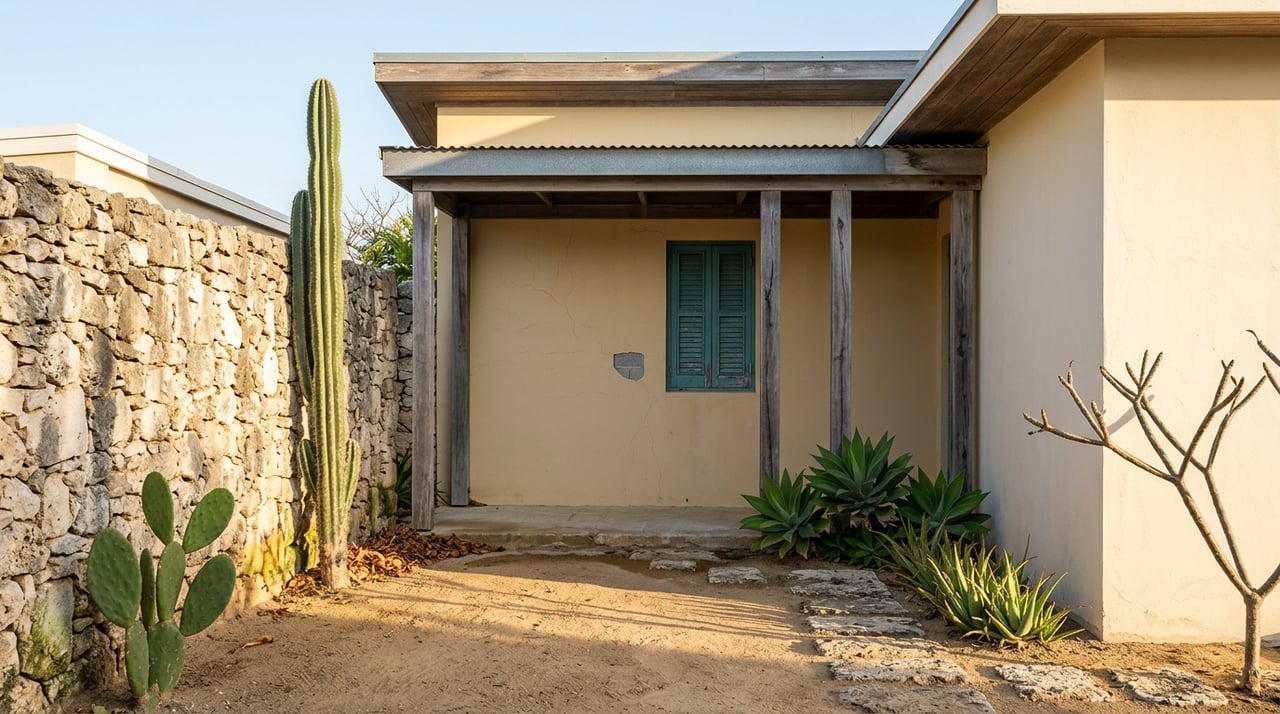
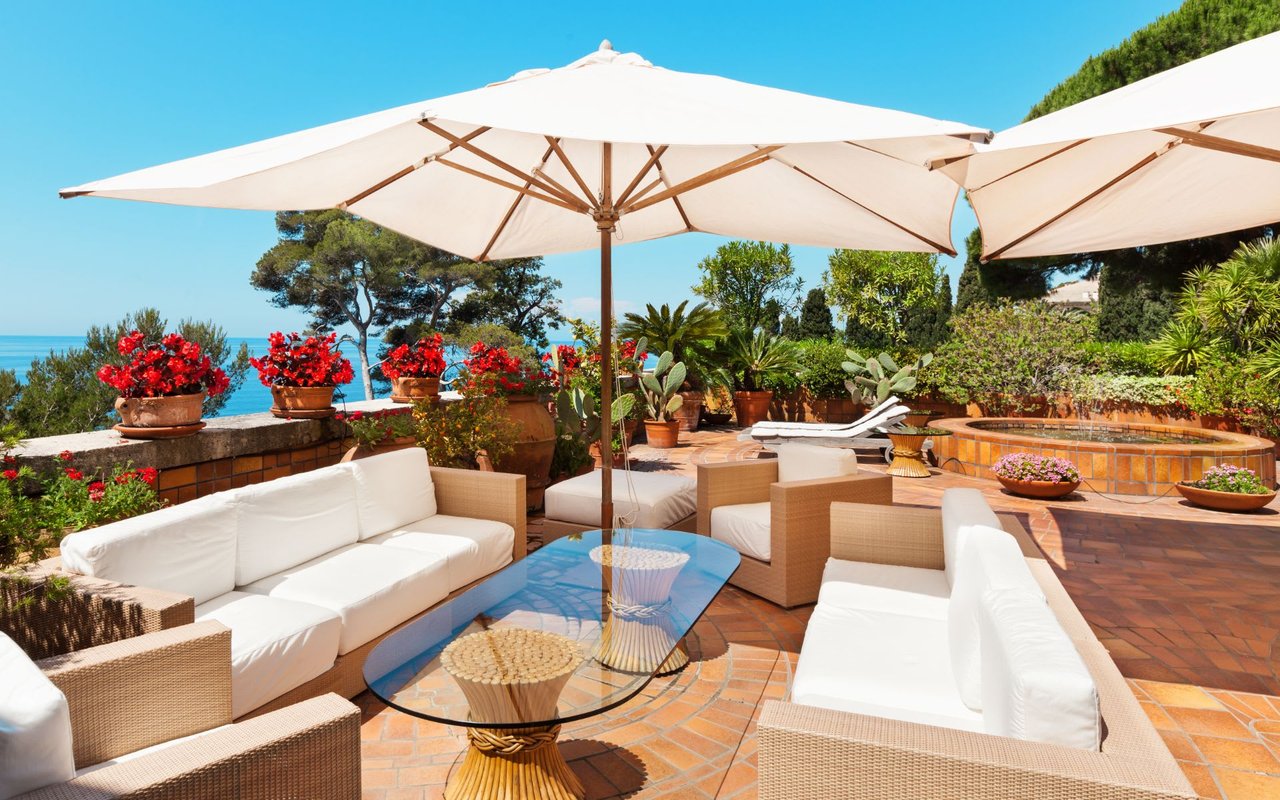
If you are designing or updating a rental, think about how air moves through the home. Windows and doors that encourage natural airflow, covered patios, and seating areas protected from direct afternoon sun can improve comfort while supporting a more relaxed island lifestyle. These choices also photograph well, which matters in a digital-first destination.
Create usable outdoor zones
In Bonaire, outdoor space should do real work. It is not just decorative. Your terrace, rinse area, gear zone, and shaded lounge space can be just as important as the interior living room.
Consider features like:
- Covered outdoor dining
- A shaded sitting area near the main living space
- Outdoor showers or foot-rinse stations
- Drying lines placed discreetly but conveniently
- Easy transitions from parking to entry to storage
These details help your property feel intuitive for active travelers and longer-stay guests.
Build for salt, sun, and moisture
A beautiful rental also needs to be resilient. Bonaire’s coastal setting can be hard on finishes, fixtures, and hardware, especially near the water.
FEMA’s coastal construction guidance warns that exposed metal fasteners can corrode quickly in marine environments and recommends stainless steel where rapid corrosion is expected. For Bonaire owners, that supports choosing marine-grade hardware, sealed fixtures, and finishes that can hold up to salt air, strong sun, and repeated rinsing.
Choose durable finish materials
When selecting materials, focus on lifespan and maintenance as much as appearance. The best-performing rentals tend to use clean, simple finishes that can be refreshed easily and withstand heavy guest use.
Smart choices may include:
- Stainless steel or marine-grade hardware
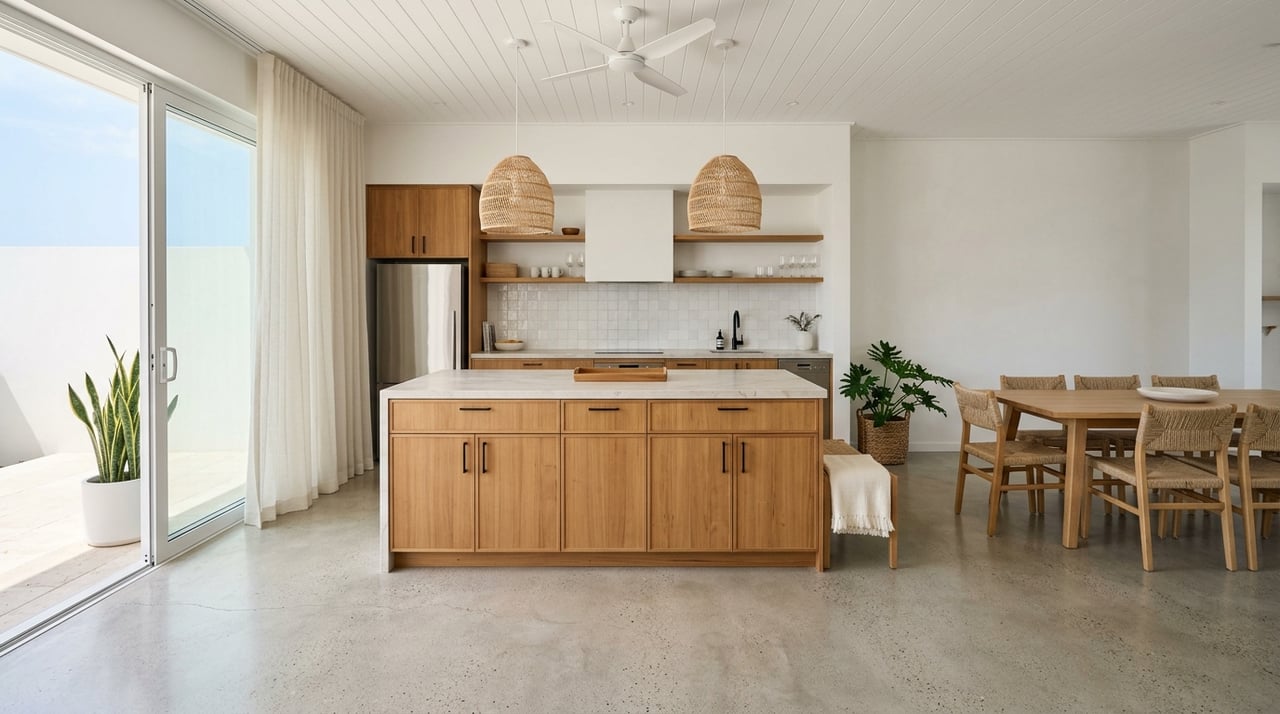
- Sealed stone or polished concrete surfaces
- Exterior-rated lighting and fixtures
- Cabinet and storage materials that tolerate humidity
- Fade-resistant outdoor furnishings
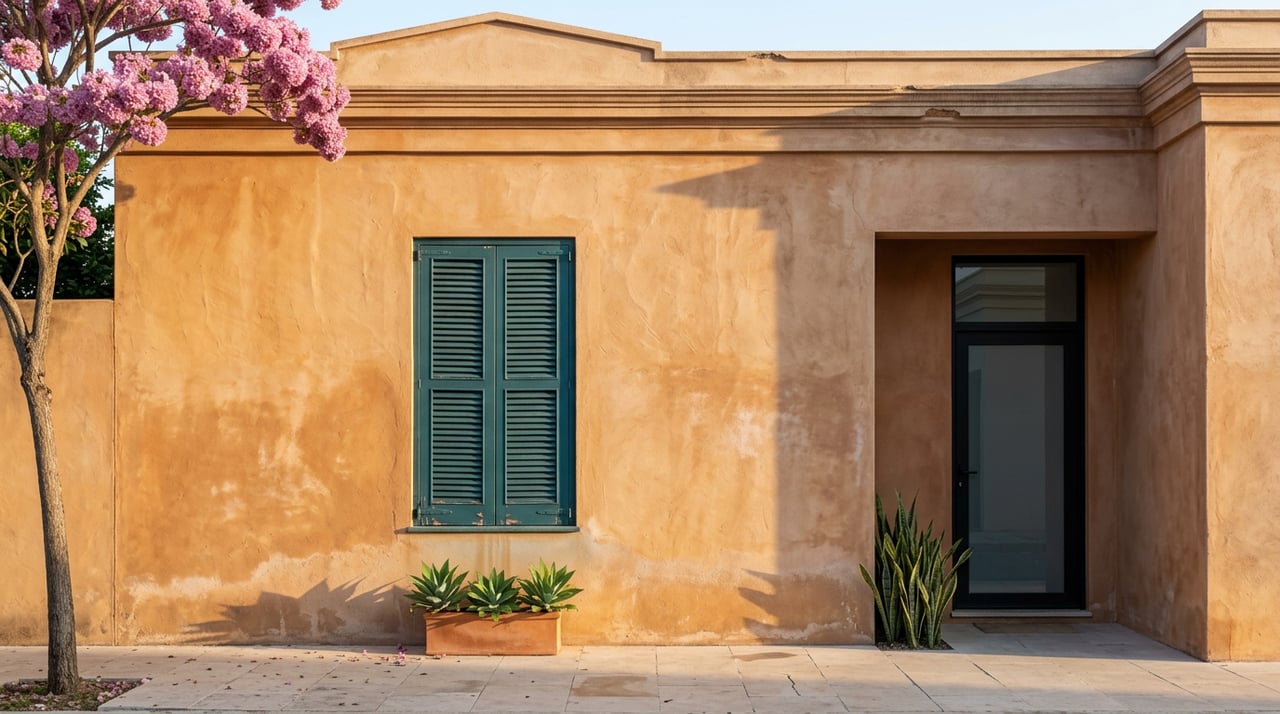
This does not mean sacrificing style. In fact, durable finishes often support the clean, refined, coastal look many guests expect in premium Caribbean rentals.
Control indoor humidity
Even in an arid climate, indoor moisture matters. Bathrooms, kitchens, and closed interiors can trap humidity, especially in properties with frequent turnover or gear drying indoors. The University of Florida IFAS Extension advises keeping indoor relative humidity below 70%, ideally between 45% and 60%, to help discourage mold.
For owners, that makes ventilation a design issue, not just a maintenance issue. Effective bathroom exhaust, kitchen ventilation, and sensible dehumidification strategies can help protect finishes, improve comfort, and reduce odor or mold concerns over time.
Make the rental dive-ready
Bonaire is one of the Caribbean’s most distinct dive destinations. STINAPA’s management plan describes around 40,000 divers annually, many of whom stay for one to three weeks and dive multiple times per day. Many dive sites are shore-accessible, so guests often come back to the property with wet gear, rinse equipment, and head back out again.
That usage pattern should shape your layout. If your rental is designed for one-night leisure guests, you may miss what Bonaire travelers actually need most.
Add gear-friendly amenities
Some of the most useful amenities are also the most practical. Dive and watersports guests usually value convenience, organization, and secure storage more than decorative extras.
Useful features include:
- Outdoor rinse stations for dive and snorkel gear
- Lockable gear storage cabinets
- Wetsuit hanging space
- Board storage for windsurfing or kitesurfing equipment
- Durable entry flooring that handles sand and moisture
- A utility or laundry zone for towels and activewear
Because Bonaire also draws windsurfing and kite-surfing visitors, especially around Lac Bay, these features can support a wider range of guests while still aligning with the island’s activity-driven appeal.
Match Bonaire’s eco-conscious identity
Bonaire is increasingly positioned around quality tourism, nature, and sustainability. The island’s Tourism Recovery Plan points to a stronger, more professional accommodation sector and emphasizes higher-value tourism. The island government has also said new projects should meet at least a 4- or 5-star standard.
For vacation rental owners, this creates a clear takeaway. The market is moving toward thoughtful, well-executed accommodation, not basic short-term rental inventory.
Use sustainability as a guest benefit
Eco-friendly design should feel practical and polished. It works best when it improves the guest experience while also supporting Bonaire’s conservation-minded identity.
Ideas that align with the island’s tourism messaging include:
- Refillable toiletries
- Water-saving fixtures
- Filtered drinking water
- Clear recycling guidance
- Native or low-water landscaping
According to official destination branding, these choices fit the island’s eco-conscious direction and its emphasis on nature-based travel experiences. They also help your property feel current and intentional rather than generic.
Plan landscaping and drainage carefully
STINAPA notes that sedimentation, wastewater, and coastal construction can threaten reef health, while storm waves and wind reversals have caused shoreline damage in the past. That makes low-runoff site planning, careful drainage, and drought-tolerant landscaping especially relevant in Bonaire.
If you are renovating or developing, site design matters as much as the interiors. A property that handles water wisely, limits runoff, and reduces maintenance pressure will be better positioned for long-term performance.
Design for longer stays
Many Bonaire visitors are not weekend travelers. They come for diving, wind, nature, and a slower island rhythm, often for a week or much longer. That changes what “luxury” looks like in a vacation rental.
In this setting, luxury often means convenience, order, and comfort over time. A well-planned kitchen, smart storage, shaded outdoor living, and easy laundry access can have more impact than overly formal interiors.
Focus on function without losing style
If you are targeting premium travelers or investors, think in layers. The property should feel elevated, but it should also solve everyday needs elegantly.
A strong Bonaire rental often includes:
- Comfortable seating that feels durable and unfussy
- Bedrooms with blackout window treatments and practical storage
- Kitchens designed for regular use, not just appearance
- Parking and entry sequences that make unloading easy
- Interiors that stay uncluttered and bright in listing photography
That combination supports both real-world usability and better visual presentation online.
Use photography to tell the right story
Bonaire’s tourism marketing is highly visual and digital-first. The island’s branding campaign targets eco-conscious and adventure-oriented travelers, with messaging built around nature, culture, and activity-rich experiences. In that environment, your property photos should do more than show rooms.
They should show how the rental fits the Bonaire lifestyle. That can include shaded outdoor living, clean and durable finishes, dive-ready amenities, and a layout that feels easy to inhabit after a day in the water or on the road.
Highlight experience, not just square footage
The strongest listing presentation usually answers silent questions before a guest asks them. Where do I rinse gear? Is there shade? Is there room to store equipment? Does this place feel calm, clean, and easy?
Helpful photo priorities include:
- Outdoor living areas in bright natural light
- Entry and storage areas that show convenience
- Rinse stations or utility features if they are well designed
- Uncluttered bedrooms and living spaces
- The relationship between indoor and outdoor spaces
In a destination sold visually, good design and good photography work together.
Confirm permits and guest information
Before listing or renovating a rental, it is important to confirm the required approvals and guest-facing information. Bonaire states that anyone starting a business on the island needs a vestigingsvergunning, and hospitality operations may require additional drink and hospitality permits. Renovations and new construction also require building permits, and incomplete applications are not processed.
If your property has direct sea access or sits near the shoreline, permit planning becomes even more important. Bonaire states that construction or renovation within 15 meters of the high-water line can require multiple permits, including a nature permit, and that a nature-permit application in the coastal zone can take up to 90 days to decide.
Prepare guests with clear information
Owners should also make arrival information easy to understand. According to STINAPA’s visitor FAQs, all visitors entering the sea must buy the annual $40 Nature Fee, and Bonaire requires all visitors arriving by air or boat to pay the $75 visitor entry tax through the official website, with no cash accepted.
Sharing this information clearly before check-in can improve the guest experience and reduce confusion after arrival.
If you are evaluating a vacation rental, repositioning an existing asset, or preparing a property for the market, thoughtful design can meaningfully affect guest appeal, maintenance demands, and long-term performance. In Bonaire, the best rentals are not just attractive. They are climate-smart, activity-ready, and aligned with the island’s quality-focused direction. If you are considering your next move in the southern Caribbean, Bold Real Estate Aruba can help you approach it with clarity and a sharper eye for value.
FAQs
What design features matter most for a vacation rental in Bonaire?
- The most useful features usually include shade, cross-ventilation, durable finishes, outdoor living areas, and dive- or watersports-ready amenities like rinse stations and secure gear storage.
What materials hold up best in Bonaire’s coastal climate?
- Bonaire rentals generally benefit from marine-grade or stainless steel hardware, sealed fixtures, exterior-rated materials, and finishes selected to handle salt air, sun exposure, moisture, and frequent rinsing.
What amenities do longer-stay Bonaire guests typically appreciate?
- Many longer-stay guests value practical comforts such as laundry access, organized storage, a usable kitchen, shaded outdoor seating, gear drying space, and easy movement from parking to entry.
What permits should owners confirm for a Bonaire vacation rental?
- Owners should confirm business licensing, hospitality-related permits if applicable, and any building or renovation permits. Coastal properties may also need extra approvals if work is planned near the high-water line.
What guest taxes and fees should a Bonaire vacation rental explain?
- Guests should be informed that Bonaire requires a visitor entry tax for arrivals by air or boat, and STINAPA requires a Nature Fee for visitors entering the sea.