Staging a home in a tropical market is its own discipline. The advice you read from agents in New York or London doesn't quite translate when your buyers are imagining barefoot mornings on the terrace, when the trade winds are your best feature, and when the light coming through the windows at 10 a.m. is doing more selling than any throw pillow ever could. Tropical buyers, whether locals upgrading or foreigners shopping for a second home, are buying a lifestyle as much as a building. Stage to that lifestyle, and the house sells itself.
Here's how to do it well.
Sell the Indoor-Outdoor Connection
The single biggest mistake sellers make in tropical markets is staging the interior as if the outside doesn't exist. In a climate where people live half their lives on the terrace, the pool deck, or the covered patio, those outdoor areas are not "bonus" space. They're often the most important rooms in the house.
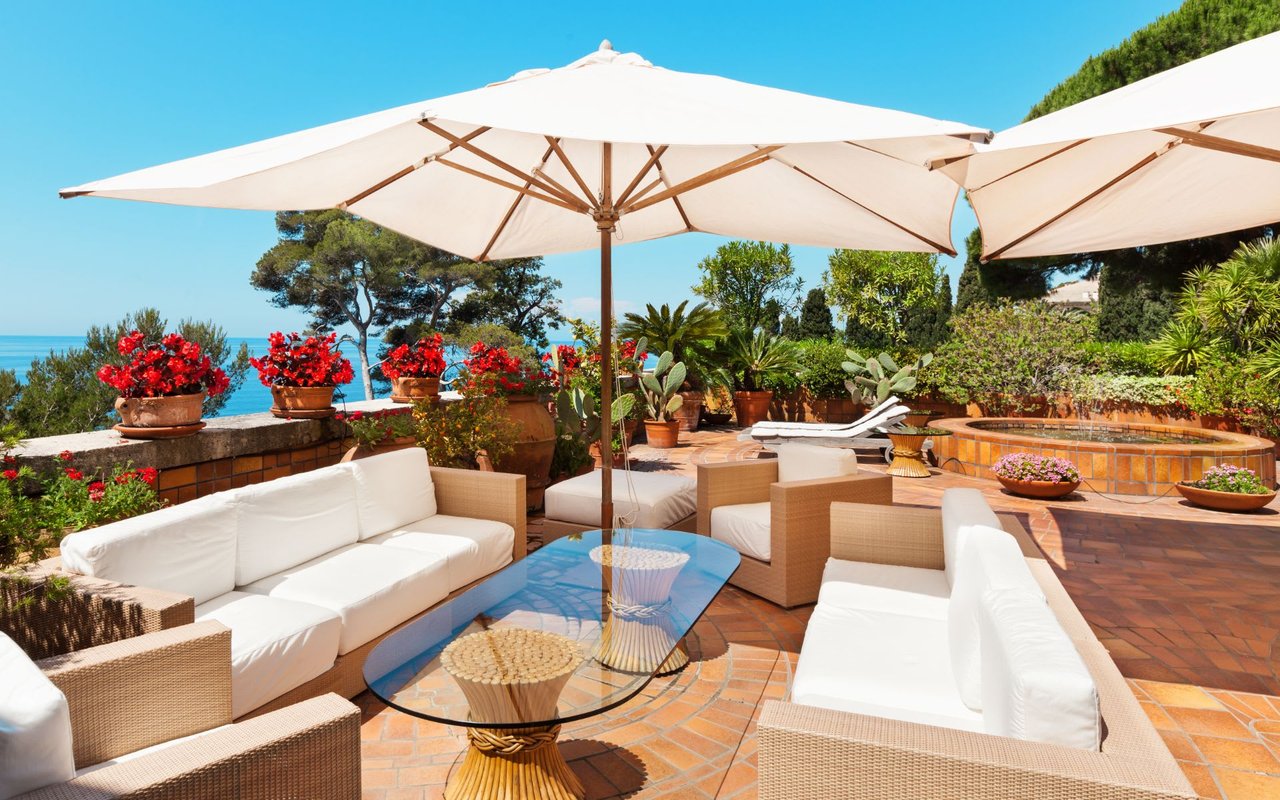
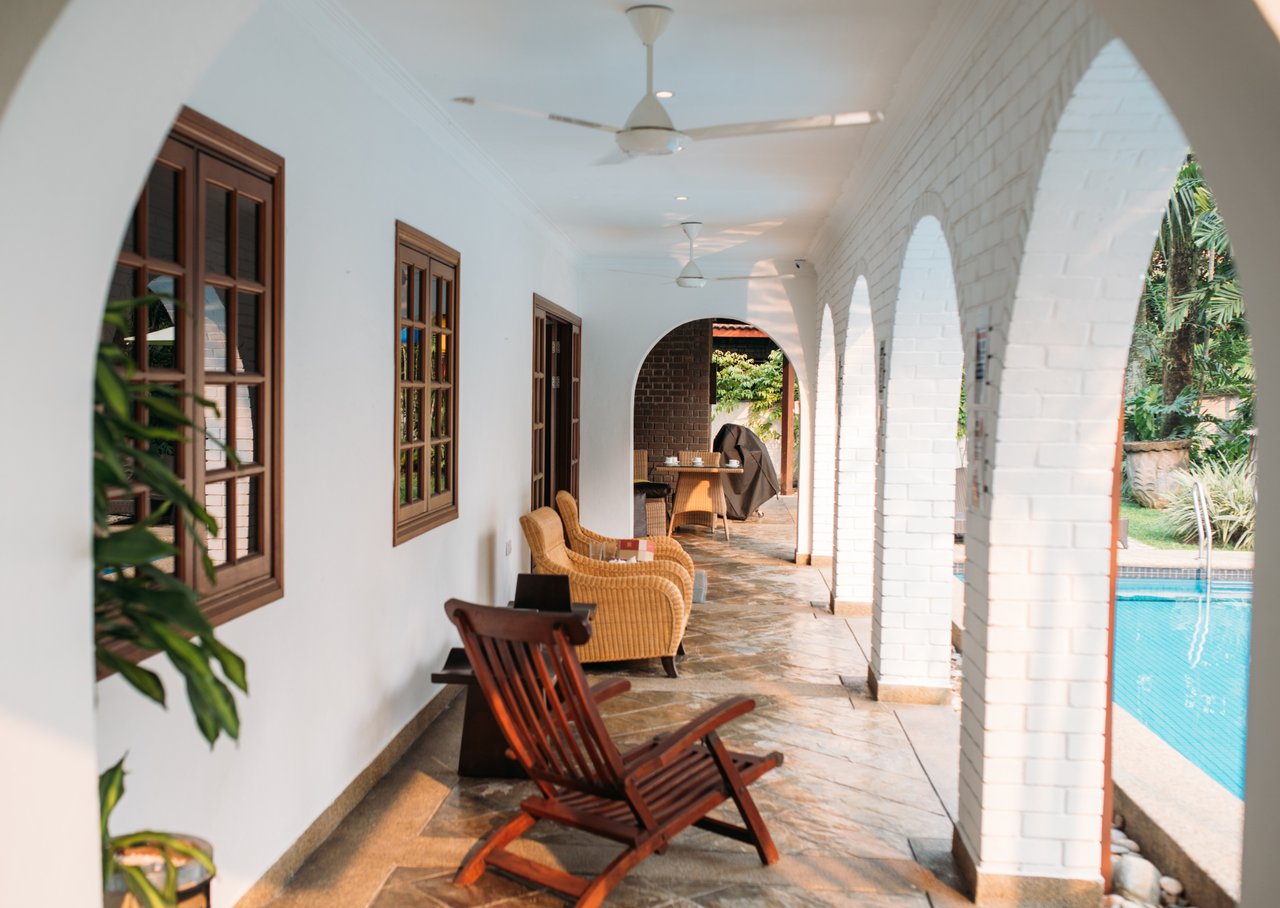
Open every door and window that connects inside to outside before a showing. Pull back curtains fully. If sliding doors lead to a patio, the patio better be ready to be photographed too, with comfortable seating, a small dining setup, and maybe a hammock or a couple of lounge chairs angled toward the view. The buyer needs to walk through the house and feel that the boundary between indoors and outdoors barely exists, because in good tropical design, it doesn't.
If your outdoor furniture is sun-bleached, rusty, or mismatched, replace or refresh it before listing. A few hundred dollars on new cushions and a deep clean of existing pieces will do more for your sale price than almost any interior change.
Light, Air, and the Feeling of Coolness
Tropical buyers fear two things above all: heat and stuffiness. Staging that telegraphs cool, breezy, comfortable living is staging that sells.
Practical moves:
Open the house up an hour before any showing so it smells fresh and feels naturally ventilated rather than air-conditioned-stale.
Set ceiling fans on low during showings, even if the AC is running. The visible movement of air reassures people.
Use light, breathable fabrics: white or pale linen curtains, cotton throws, natural fiber rugs. Heavy velvet, dark wool, and anything that reads "winter" sends the wrong signal.
Keep window treatments minimal. Tropical buyers want to see that the windows work, that the views are unobstructed, and that natural light is plentiful. Heavy drapes hide all of that.
If your AC is older or noisy, get it serviced before showings start. A house that runs quietly and cools efficiently feels meaningfully more valuable than one that hums and labors.
Lean Into the Light, but Manage the Glare
Tropical light is the gift and the trap of staging in this market. It's beautiful, abundant, and free, but at certain hours it's also harsh, glaring, and unflattering to interior photography.
Schedule professional listing photos for the golden hours: an hour or two after sunrise, and the hour before sunset. Light during these windows is warm, soft, and directional, and it makes interiors look like the dream version of themselves. Midday photography in tropical sun produces blown-out windows, harsh shadows, and washed-out colors.
For showings themselves, learn how the light moves through your house during the day. Schedule showings when each space is at its best. The west-facing living room is magic at 5 p.m. and brutal at noon. The kitchen with the morning light should be shown before 11 a.m.
Inside, use sheer curtains or linen panels on windows that get harsh direct sun. They diffuse the light beautifully and read as intentional design rather than necessity.
Color Palette: Calm, Coastal, and Specific
Tropical staging is one of the few contexts where a strongly themed look can actually help rather than hurt. Buyers walking through a beachfront condo in Palm Beach or a hillside villa in the Caribbean expect a certain visual language: whites, soft neutrals, warm wood tones, and accents of ocean blue, sand, coral, or muted green.
The trick is to suggest the theme without overdoing it. A few rules of thumb:
White and off-white walls are nearly always the right choice. They reflect light, photograph beautifully, and give buyers a blank canvas.
Wood tones should lean warm and natural: teak, mahogany, light oak, rattan. Avoid dark cherry or anything that reads heavy and continental.
Accent colors are most effective when they pick up something visible from inside the house: the blue of the sea through a window, the green of the garden, the sand color of the patio tile.
Avoid the obvious clichés: no anchor motifs, no signs that say "Beach This Way," no shell-encrusted lamps. Subtle nods read as sophisticated. Heavy-handed beach decor reads as a vacation rental.
Address the Things Tropical Buyers Quietly Check For
Experienced tropical buyers, especially those who've owned in the climate before, walk through houses with a mental checklist that has nothing to do with countertops or finishes. They're looking for signs of:
Salt and humidity damage: rust on hinges and fixtures, peeling paint on exterior trim, corrosion on AC condensers, water staining around windows.
Mold and mildew: dark spots around showers, musty smells in closets, discoloration on ceilings near the roofline.
Insect issues: ant trails along walls, gecko droppings on light fixtures, signs of termite activity in any wood.
Roof condition: stains on interior ceilings, cracks in exterior walls near the roofline.
AC and ventilation: stale air, condensation around vents, mismatched or aging units.
Before listing, walk your property as if you were a skeptical buyer and address every one of these. Repaint anything peeling. Replace rusty hardware. Have the AC serviced. Reseal grout in showers. Treat for pests preventively. These small fixes compound into a strong impression of a well-maintained home, and they remove the silent objections that tank offers.
Style the Outdoor Spaces Like Real Rooms
A patio or pool deck with a single sad plastic chair is not staged. A patio with a proper outdoor sofa, a side table with a tray of glasses, a low coffee table with a book and a candle, and a few well-chosen plants is staged.
Treat outdoor areas with the same attention you'd give a living room. Define zones: a dining area, a lounging area, maybe a small reading nook. Use outdoor rugs to anchor the space, weatherproof cushions for comfort, and plants in good condition (not the half-dead ones in the corner). String lights or simple lanterns photograph beautifully at dusk and suggest the kinds of evenings buyers want to imagine themselves having.
If you have a pool, it needs to be sparkling. Clean it, balance the chemistry, vacuum the bottom, and skim it before every showing. A cloudy or algae-tinged pool tanks the perceived value of the entire property faster than almost anything else.
Manage Smells Carefully
In tropical climates, smell is more important than people realize. A house that smells musty, damp, or like old AC is a house buyers walk out of without making an offer, even if they can't articulate why.
Before showings:
Open the house up and air it out for at least an hour.
Run a dehumidifier in closed rooms if humidity has been high.
Avoid heavy artificial fragrances, which read as cover-ups. Skip the plug-in air fresheners.
Bake something simple, brew coffee, or use a small amount of essential oil (citrus or eucalyptus work well in tropical contexts) close to showing time.
Empty trash and clean drains, since slow drains can produce surprising smells in humid climates.
A house that smells clean, fresh, and faintly of citrus or sea air is a house that feels well cared for.
Bring the Outside In with Plants
Tropical interiors look incomplete without plants. They soften corners, photograph beautifully, and reinforce the indoor-outdoor connection that's so central to the lifestyle you're selling.
You don't need a jungle. A few well-chosen, healthy plants do enormous work: a tall palm in a corner, a monstera or fiddle leaf fig near a window, a small herb garden on the kitchen counter, fresh-cut tropical flowers on the dining table. Avoid plastic or fake plants entirely. Buyers can tell, and it cheapens the whole presentation.
Keep them genuinely healthy. A drooping or yellowing plant is worse than no plant.
Don't Over-Personalize, but Don't Sterilize
Generic staging advice says to depersonalize: remove family photos, neutralize everything, make the space a blank slate. That advice is half right in tropical markets. You do want to remove the very personal items that make buyers feel like they're intruding. But you don't want to strip out so much character that the house feels like a generic hotel room.
Tropical buyers respond to spaces that feel lived-in in the right way: a stack of well-chosen books, a piece of local art, a textile that suggests the culture of the place. Leave a few of these touches. They help buyers imagine an actual life in the house, which is ultimately what they're paying for.
A Final Note on Timing
Tropical markets have seasons just like everywhere else, and they shape how you stage. High season (typically December through April in the Caribbean) brings more buyers and more competition, so staging quality really matters. Off-season can be a good time to refresh the property, repaint, replace tired furniture, and prepare a stronger listing for when the market wakes up again.
Whichever season you're selling in, the underlying principle is the same: stage the lifestyle, not just the rooms. Tropical buyers are not just buying square footage. They're buying mornings on the terrace, evenings by the pool, the breeze through open doors, and the slower pace of life that brought them shopping in the first place. Show them all of that, and the house finds the right buyer faster and at a better price.