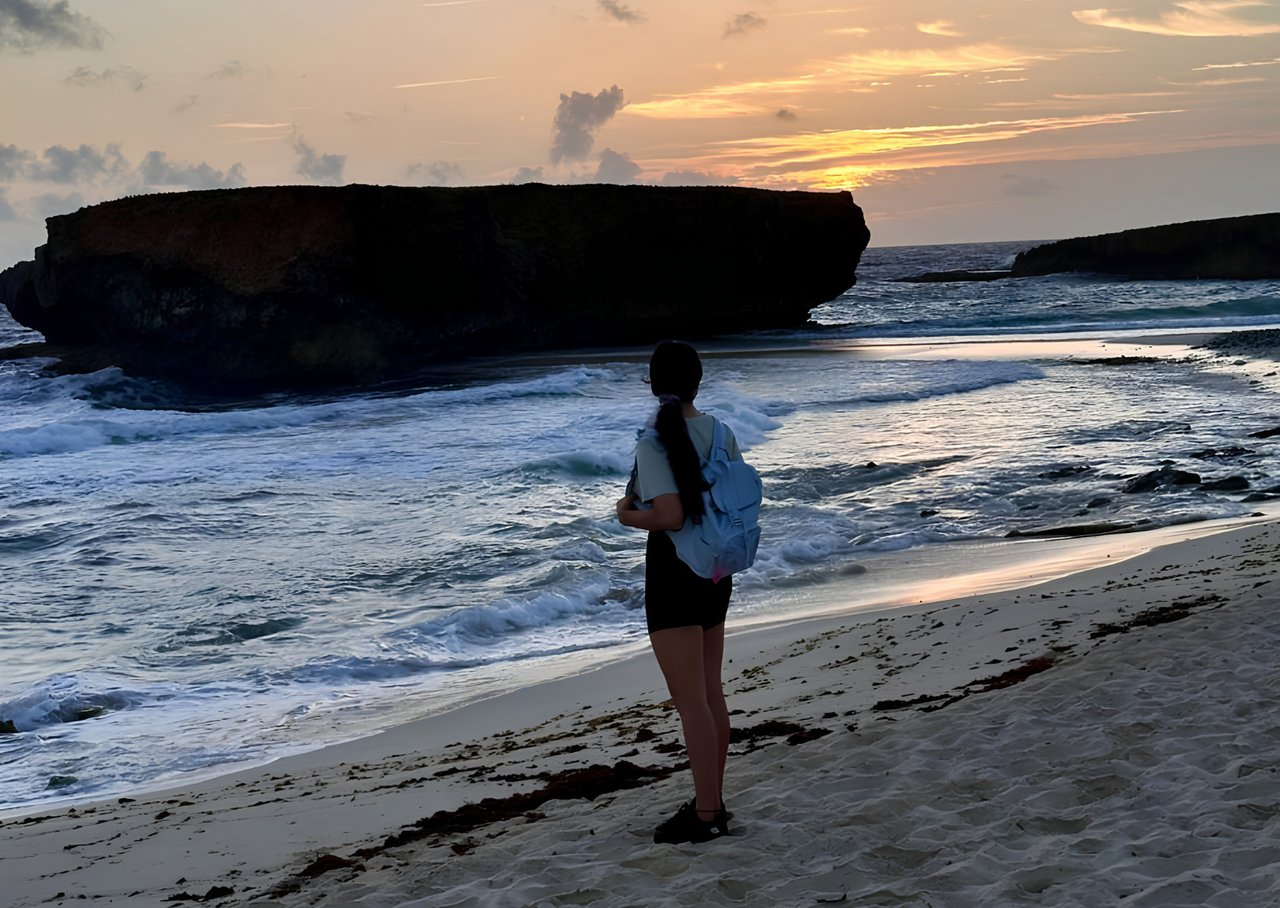
There's a common assumption that living on an island is automatically relaxing. Postcards suggest it, tourists arrive expecting it, and people who move here from busier places sometimes feel guilty when they realize they're still stressed despite the palm trees outside the window. The truth is gentler and more interesting: island life offers extraordinary raw materials for a calmer existence, but you still have to use them. Mindfulness isn't a side effect of geography. It's a practice, and the island just happens to be a beautiful place to do it.
Here are some thoughts on how to actually live the relaxed island life rather than just visit it.
Let the Pace of the Island Set Yours
One of the first adjustments people make when they slow down here is realizing that the island has its own rhythm, and fighting it is a losing battle. Things take longer. Stores close in the afternoon. The person ahead of you in line is having a full conversation with the cashier and no one minds. Traffic stops because a friend is walking by.
The mindful move is to stop treating these moments as friction and start treating them as the texture of the place. The conversation, the slower service, the unhurried pace are not obstacles to your day. On most days, they are the day. People who arrive from high-speed cultures often spend their first year frustrated and their second year grateful, once they realize the slower pace is doing something quietly restorative to their nervous system.
Use the Water
The ocean is the single most underused mental health resource on any island. Not for big productions like dive trips or sunset cruises, but for the small daily contact: ten minutes of floating, a walk along the shore at dawn, sitting on a rock and watching the swells move. There's good research suggesting that proximity to water lowers stress hormones, slows breathing, and produces what some psychologists call a "soft fascination" state, where attention rests without effort.
You don't need to make it ceremonial. The trick is consistency, not duration. A few minutes of looking at moving water, most days, does more for your mental state over a year than an occasional spa weekend. The water is right there. Use it.
Build a Morning Practice Around the Light
The hours just after sunrise are the island's gift to anyone willing to claim them. The air is cooler, the light is soft, the trade winds are usually steady, and almost no one is around. If you can build even fifteen minutes of intentional time into this window, whether that's stretching on a balcony, walking, sitting with coffee and no phone, or a more formal meditation practice, you're starting the day on terms you chose rather than terms imposed on you.
This isn't about waking up at five. It's about claiming the first window of the day for yourself before the noise begins. People who do this consistently tend to report that it changes the entire shape of their day. The rest of life gets to push and pull at you, but you've already had your time.
Eat With Attention
Island food culture, almost everywhere, rewards slowing down. Meals are shared, often outdoors, often long. Mindful eating is less about specific techniques and more about resisting the cultural pull to eat at your desk, eat in the car, eat while scrolling. Sit down. Notice what's in front of you. Taste the food. Talk to whoever you're with, or just be quiet with yourself.
Local cuisine on most islands also tends toward fresh seafood, fruit, and vegetables that taste like themselves rather than like packaging. Eat with the seasons, buy from the people who grow and catch things, and the meal does some of the mindfulness work for you. Attention comes more easily to food that's genuinely worth attending to.
Move Outside
You don't need a gym membership to stay well in island life. The island itself is the gym, and the climate is kind enough that you can exercise outdoors year-round if you're smart about timing. Walk before the sun gets high. Swim. Snorkel. Try a beginner yoga class on the beach if that appeals. Cycle in the early morning. Hike the trails that exist on most islands and that locals know better than visitors do.
Movement outdoors does several things at once: physical activity, fresh air, sunlight (which regulates sleep and mood), and a low-grade form of attention training as your eyes track the horizon and your feet find their own rhythm. It's hard to overstate how much this combination matters for long-term mental health.
Make Friends with Solitude
Islands force a particular kind of contact with yourself. They're smaller, the social circles are smaller, and there's less of the constant background noise that bigger places use to fill the silence. For some people, especially those moving from cities, this can feel uncomfortable at first. Without the buzz of options, you're left with your own company in a way you might not have practiced.
This is actually the gift. A short period of deliberate solitude each day, sitting somewhere quiet without inputs, walking alone, simply not being entertained, builds a capacity that translates into more groundedness everywhere else. Many spiritual traditions call this practice different things, but the underlying move is the same: turn off the inputs, let the mind settle, see what's there.
Protect Your Attention
The hardest part of modern island life is that the same phones, notifications, and endless news cycles follow you here. The beach view doesn't help if you're staring at a screen the whole time. Many of the people who report feeling genuinely calmer on the island have, often without naming it, taken steps to limit digital intrusion: phones out of the bedroom, social media off, news consumed deliberately rather than constantly, work emails contained to working hours.
You don't need to become a digital hermit. You do need to recognize that the island can't protect you from the things you bring with you in your pocket. The peace is available, but it requires you to actually be available to it.
Accept That You'll Still Have Bad Days
Finally, a piece of honesty that gets left out of most "island lifestyle" content: paradise doesn't fix you. You'll still have hard days, stressful weeks, family worries, work pressure, and the same internal weather you had before you moved here or before you started paying attention. The point isn't to achieve a state of permanent serenity. It's to build a steady practice that holds up across the inevitable ups and downs, and to use the genuine gifts of the place, the light, the water, the slower pace, the community, as supports rather than as expectations.
Island life rewards people who are willing to participate in it. Show up to your mornings, get in the water, eat slowly, walk often, talk to your neighbors, put the phone down, and notice what's around you. The relaxation isn't waiting somewhere down the road. It's the texture of the days themselves, if you're willing to feel them.