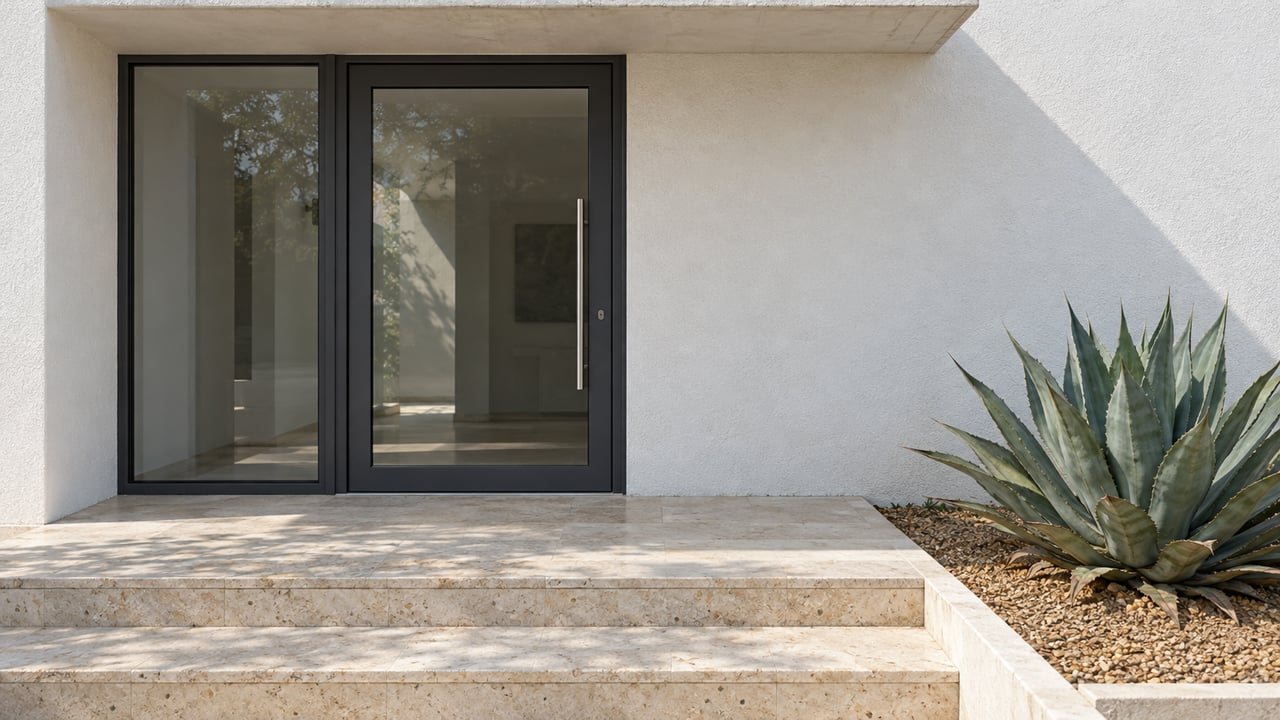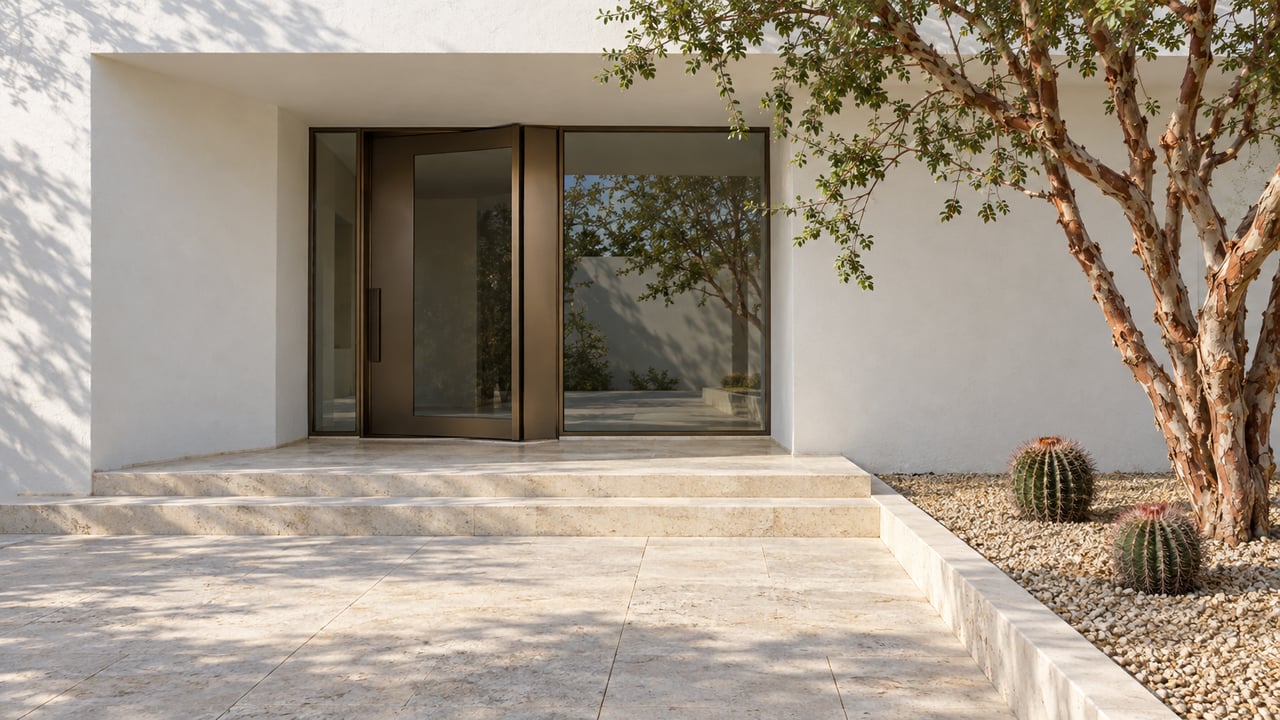
Aruba sells itself easily. The weather is consistent, the people are warm, the beaches are spectacular, and the island is small enough that you can know your way around in a month. For retirees from North America and Europe, it's a tempting picture. But the picture isn't the whole story, and the people who retire here happiest are the ones who arrived with realistic expectations rather than postcard ones.
This post walks through what retiring in Aruba actually looks like in practice, including the official residency requirements from DIMAS (Aruba's Department of Integration, Management and Admission of Foreigners), and the genuine trade-offs you'll be living with.
The Residency Requirements: What DIMAS Actually Asks For
Retiring in Aruba legally means getting a residence permit from DIMAS. The agency offers a specific category for retirees and interest-rate earners, and the rules are clearer than most people assume. The crucial early point: with this residency category, you may not work for paid employment in Aruba. If you want to work during the permit period, you'd need a separate work permit and a different application track.
There are two paths under the retiree category.
Path 1: Retired With Guaranteed Income
For applicants age 55 or older with a steady, guaranteed retirement income. Requirements include:
Guaranteed income from a pension or annuity with an annual yield of at least the equivalent of AWG 50,000 gross (roughly USD 28,000) per year.
The pension or annuity must come from a recognized source.
Standard documentation: valid passport, certificate of good conduct (police record) from your country of residence covering the past 10 years, official birth certificate, recent medical certificate, and proof of both health and accident insurance.
Path 2: Retiree or Interest-Rate Earner Without Guaranteed Income
For applicants 18 and older without a traditional pension, but with sufficient income from investments, deposits, or assets. Requirements include:
Annual yield of at least AWG 100,000 (roughly USD 55,500) from an authorized commercial bank deposit held for at least two years, or from investments, real estate yields, or other qualifying assets.
The bank or institution must be located in a recognized country (DIMAS maintains the list, which includes most of the EU, the U.S., Canada, and certain other jurisdictions).
Same standard documentation requirements as Path 1.
What Both Paths Have in Common
Residence permits are issued for one year initially and must be renewed annually.
Applications are submitted through the DIMAS customer portal (DIMAS has moved most applications fully online, though seniors 65 and older may still submit in person if they need additional support).
You must demonstrate that you will not become a burden on the Aruban government or community.
Proof of suitable accommodation in Aruba is required.
After 10 years of legal residence (specifically, at least 120 months on temporary permits with registration in the population register at the time of application), you become eligible to apply for indefinite (permanent) residency, subject to additional conditions including not having been absent from Aruba for more than 2 consecutive years without valid reason.
Note that Aruba is part of the Kingdom of the Netherlands, so permanent residency and citizenship pathways ultimately tie into Dutch law, which adds a layer of bureaucracy but also opens significant downstream advantages for some retirees.
Now the Honest Pros
With the legal framework out of the way, here's what retirement in Aruba genuinely offers.
Climate and Lifestyle
The weather is one of the most consistent in the Caribbean. Daytime temperatures sit in the high 20s to low 30s Celsius year-round, with relatively low humidity by Caribbean standards, persistent trade winds that keep things bearable, and very little rain. Aruba also sits outside the main hurricane belt, which means significantly less weather anxiety than retirees on islands further north experience.
For people coming from cold-winter climates, the difference is more than aesthetic. Joint pain eases, seasonal depression vanishes, and outdoor activity becomes a daily default rather than a summer reward.
Safety and Stability
Aruba is among the safer Caribbean destinations, with crime rates well below regional averages. The political situation is stable, the legal system is rooted in Dutch law, and the currency (the Aruban florin) is pegged to the U.S. dollar at 1.78 AWG = 1 USD, which removes one significant source of financial stress for retirees living on dollar-denominated income.
Healthcare Access
The Dr. Horacio E. Oduber Hospital in Oranjestad provides solid primary and emergency care, with a network of private clinics and specialists supporting it. For more specialized procedures, retirees often travel to the U.S., the Netherlands, or Colombia, all of which are reasonably accessible by direct flight. Most retirees use international health insurance rather than the local AZV system, which they typically don't qualify for as recent residents.
Cultural Familiarity Without Being Generic
Aruba sits in an interesting cultural middle ground. English is widely spoken (alongside Dutch, Papiamento, and Spanish), most signs and menus accommodate English speakers, and the island has the infrastructure (decent internet, modern supermarkets, reliable utilities) that retirees from developed countries expect. At the same time, the culture is genuinely its own: Papiamento, Carnival, Aruban cuisine, and a community feel that doesn't exist in resort-only destinations.
Tax Considerations
Aruba doesn't tax foreign-source income for retirees on the standard residency categories in the same way the U.S. or many European countries do their citizens, though the specifics depend heavily on your country of origin's tax treaties and your individual situation. Several retirees from high-tax jurisdictions find that retirement in Aruba meaningfully improves their after-tax financial position, though this needs serious advice from a cross-border tax specialist before counting on it.
A Pace That Actually Slows You Down
Many retirees describe the shift from a high-pressure career environment to Aruban island time as the genuine luxury of moving here. Things take longer, people are less time-obsessed, and the day has more room in it. For people who've spent decades on someone else's schedule, this adjustment is often the unexpected highlight of retirement.
Now the Honest Cons
This is where the postcard fades and reality starts. Aruba has real downsides that prospective retirees should think through carefully.
Cost of Living Is High
Aruba is not a cheap retirement destination. Most things are imported, electricity is expensive, and the cost of groceries, household goods, and dining out runs comparable to or higher than U.S. mainland averages. A retired couple living comfortably but not extravagantly typically needs USD 3,500 to 5,500 per month in expenses, with significant variation depending on housing choices and lifestyle.
If your retirement budget is built around finding a "cheap Caribbean alternative," Aruba is not it. The Dominican Republic, parts of Mexico, and several Central American countries are meaningfully less expensive. Aruba's pitch is stability and quality of life, not low cost.
Healthcare Has Real Limits
Routine and emergency care on the island is good, but the system has clear limits. Specialists for less common conditions are sparse. Major procedures, certain cancer treatments, and some chronic disease management often require travel to Miami, Bogotá, or the Netherlands. For retirees in their 60s and 70s, this is manageable. For retirees in their late 70s and 80s, repeated medical travel becomes increasingly burdensome.
International health insurance also gets more expensive with age, and certain pre-existing conditions can be difficult or impossible to cover. Get realistic insurance quotes before committing to a move.
The Island Is Small
Aruba's roughly 110,000 people live on 180 square kilometers. The same restaurants, the same supermarkets, the same drives. For some retirees this is the appeal. For others, especially those used to the cultural variety of a major city, the limits start to feel real after a year or two. Travel off-island helps but adds cost.
Heat Becomes Tiring for Some People
The climate sells itself in February. By August, when the sun has been beating down for months and the AC is running constantly, some retirees find the heat genuinely wearing rather than wonderful. People with heat-sensitive medical conditions especially should think carefully. Visiting in the hottest months before committing is wise.
Bureaucracy Can Be Slow
DIMAS has modernized significantly with online applications, but the broader Aruban government still moves at island pace. Paperwork takes longer than it would at home. Bank account openings for non-residents involve more steps. Property purchases, while doable, take patient navigation. Retirees who arrive expecting Northern European or Singaporean efficiency are sometimes frustrated.
Distance from Family
This is the underestimated one. Adult children, grandchildren, aging parents, and old friends are all somewhere else. Aruba is well-connected by air, but flights aren't cheap, and the practical effect of moving 2,000+ miles from your support network is real. Many retirees underweight this in their initial planning and feel it acutely in years two and three.
Renewal Anxiety
Because residence permits are renewed annually for the first decade, there's a recurring administrative burden that doesn't exist in countries with multi-year retirement visas. Most renewals are routine, but the system reserves the right to re-evaluate, and policy can change. Some retirees find this low-grade uncertainty stressful enough to factor into their decision.
Limited Real Estate Options at Lower Price Points
Buying is doable but involves substantial transaction costs and requires the financing or cash to do it. Retirees expecting to find a charming little place for USD 100,000 are typically disappointed.
A Practical Suggestion
If you're seriously considering retirement in Aruba, the best single piece of advice is to spend an extended trial period before committing. Three to six months on the island, in real housing (not a hotel), through more than one season, gives you a far more accurate picture than any number of one-week vacations. Many people who do this confirm their choice with confidence. A meaningful minority discover that the daily reality, while lovely, isn't quite the fit they imagined, and they save themselves a far more painful and expensive lesson later.
Retiring in Aruba can be one of the better decisions of your life. It can also be a difficult and expensive correction if you arrive with the wrong expectations. The island has earned its reputation, but it's a real place with real trade-offs, and treating those trade-offs seriously upfront is what separates the happy retirees from the regretful ones.
Sources
DIMAS (Department of Integration, Management and Admission of Foreigners), "Retiree / interest rate earner" — dimasaruba.aw
DIMAS, "Living" (overview of residence permit categories) — dimasaruba.aw
DIMAS, "Stay for an indefinite period" — dimasaruba.aw
DIMAS, "Online applications only" — dimasaruba.aw
International Living, "Visa and Residency in Aruba" — internationalliving.com
ArubAir, "Retiring in Aruba: A Guide to a Seamless and Effortless Transition" — arubair.com
Immigration rules, income thresholds, and procedures change. Confirm current requirements directly with DIMAS and consult a qualified Aruban immigration attorney and cross-border tax specialist before making relocation decisions.