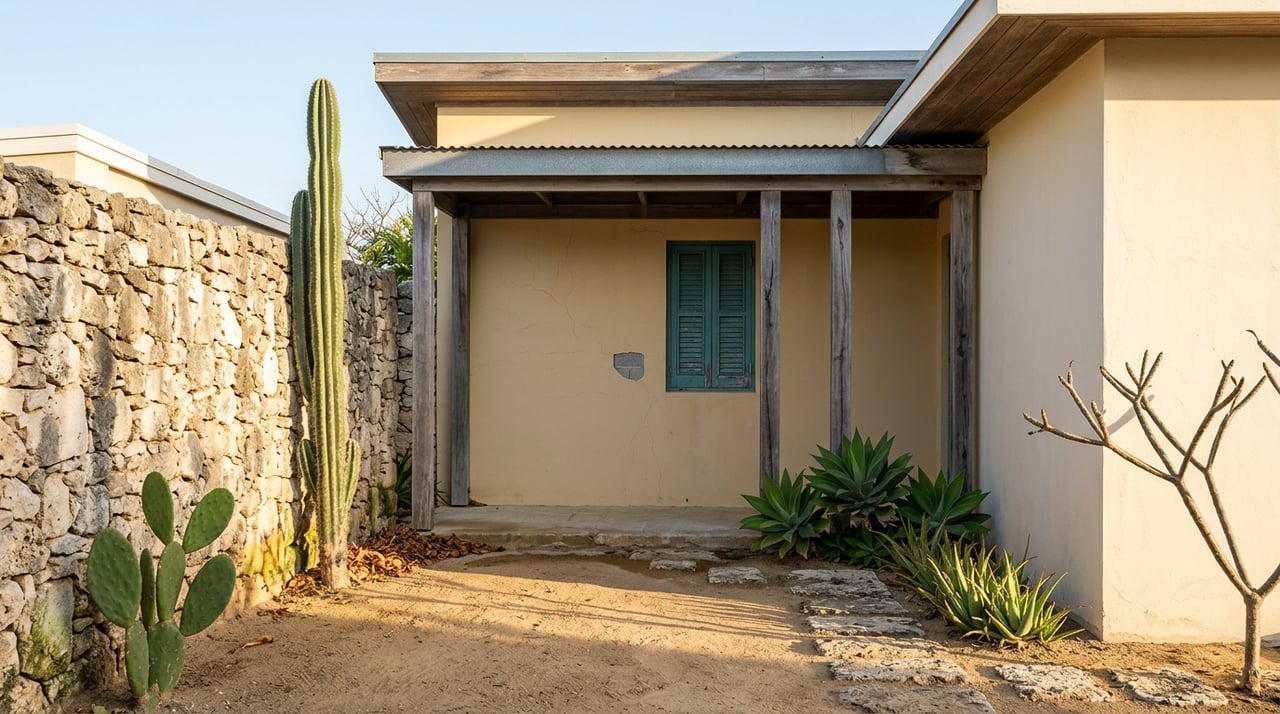
Aruba's vacation rental market is one of the most active in the southern Caribbean. Roughly 30% of visitors to Aruba now opt for a vacation rental over a traditional hotel, and that share has been climbing for years. If you own property here, or are thinking about buying, turning it into a short-term rental can be a strong source of income. It can also be a meaningful headache if you go in unprepared.
Here's a realistic look at what's involved.
Understand the Current Regulatory Landscape
The first thing to know is that vacation rentals in Aruba are in the middle of a regulatory shift. For years the sector grew faster than the rules, and the government has been catching up. The government has announced plans to establish the Aruba Quality & Hospitality Authority (AQHA), which will be the regulating entity responsible for registration of vacation home owners, issuance of licenses, and enforcement of hygiene regulations and license fees.
In the meantime, you should expect:
A growing requirement to register your rental with the relevant authorities
Mandatory tax registration and remittance
Increasing scrutiny of unregistered listings on platforms like Airbnb, VRBO, and Booking.com
In other words, the days of quietly running an Airbnb without registering it are ending. Set up correctly from the start.
Know the Taxes
Taxes are the single most misunderstood part of running a vacation rental in Aruba. There are several layers, and they apply whether you're a resident owner or a non-resident.
The main ones to plan for:
Tourist Levy: A 12.5% tax on the gross room rate (including surcharges) for accommodations renting to non-residents for less than 90 consecutive days. Guests registered in the Aruba Civil Registry are exempt.
Environmental Levy: A fixed nightly fee per occupied room, currently around USD 3 per night, collected from guests and remitted to the government.
BBO (turnover tax): Applies to certain related services. The rental of accommodations subject to tourist levy is generally exempt from BBO, but related services may not be.
Income/Profit Tax: Rental income is taxable. Resident individuals pay through personal income tax; companies pay profit tax on net rental income. Non-resident owners are still taxed on Aruban-source rental income.
Property Tax (grondbelasting): An annual property tax, typically around 0.4% of the property's taxable value, paid regardless of whether the property is rented.
Taxes are typically remitted monthly to the Departamento di Impuesto, with payment due by the 15th of the following month. Keep meticulous records of nightly rates, guest counts, stay dates, and taxes collected. The penalties for non-compliance have been getting steeper as enforcement tightens.
This is an area where it genuinely pays to hire a local accountant who works with vacation rental owners. The fees are modest compared to the cost of getting it wrong.
Get the Property Ready
The properties that perform best are not necessarily the fanciest, but they're consistently the ones that meet a clear standard. Guests booking a vacation rental in Aruba expect:
Reliable air conditioning in every bedroom and main living area (this is non-negotiable in this climate)
Strong, fast Wi-Fi throughout the property
A fully equipped kitchen, even if guests rarely use it
Comfortable beds with high-quality linens
Outdoor space: a pool, terrace, garden, or balcony with some kind of view
Blackout curtains in bedrooms, since the sun comes up early and bright
Sufficient parking
Beach gear: chairs, towels, cooler, snorkel sets
Beyond the essentials, what differentiates a great rental from a good one is usually thoughtful detail: a guidebook of local recommendations from your favorite restaurants to lesser-known beaches, clear instructions for the AC and appliances, a small welcome basket with local treats, and outdoor showers to rinse off salt and sand.
Photography matters enormously. The best-performing listings have bright, professional photos that emphasize natural light, outdoor living, and the specific feeling of being on vacation in Aruba. If your budget allows one upfront investment beyond the property itself, make it a good photographer.
Decide How You'll Manage It
You have three main options, each with real trade-offs.
Self-management gives you the most control and the highest margins, but it's genuinely a job. You're handling bookings, guest communication, check-ins, cleaning coordination, maintenance, complaints, and tax filings. If you live in Aruba and have the time, this can work well. If you're an overseas owner, it almost never works as well as people initially hope.
Full-service property management companies handle everything end to end in exchange for a percentage of revenue, typically in the 20% to 30% range, sometimes higher for boutique properties. The good ones bring established marketing, professional cleaning teams, maintenance networks, and tax-compliance support. The bad ones nickel-and-dime you on every service and undercommunicate. Vet carefully and talk to current clients before signing.
Hybrid models are increasingly common: an on-island co-host or property manager handles guest-facing logistics while you handle the listing, pricing, and bookings yourself. This can work if you have a trusted partner on the ground, but it requires clear agreements about who does what.
If you're not based in Aruba, you almost certainly need some form of local support. Plumbing emergencies don't wait for you to fly in.
Price for the Market, Not for Your Mortgage
A common mistake is setting nightly rates based on what you'd like to earn rather than what comparable properties are actually charging. Aruba's vacation rental market is competitive, with everything from beachfront condos at Eagle Beach to villas in Noord to small apartments in Oranjestad. Use platforms like AirDNA, Airbnb's market data, or simply a few hours of browsing comparable listings to understand realistic pricing in your area, season, and category.
Seasonality matters. High season runs roughly mid-December through mid-April, with peak rates around Christmas, New Year, and Carnival. Shoulder season (May, June, November) sees lower rates but still solid bookings. Low season (September and October) is genuinely slow, and many owners use this window for maintenance, renovations, or personal use.
Dynamic pricing tools can help you adjust rates automatically based on demand, local events, and competitor availability. They're not magic, but they tend to outperform static pricing for owners who don't have time to tweak rates daily.
Plan for Real Costs
Gross rental income is not your profit. Realistic ongoing costs include:
Utilities (electricity especially, since AC is expensive here)
Internet and cable/streaming subscriptions
Cleaning fees between stays (usually passed to guests, but coordinate carefully)
Linen and towel replacement
Pool and garden maintenance
General repairs and depreciation on furniture and appliances
Property management fees, if applicable
Platform fees (Airbnb, VRBO, Booking.com)
Insurance (make sure your policy specifically covers short-term rental use)
Taxes, as covered above
Marketing and photography refreshes every few years
Many first-time owners are surprised that net margins, after all costs, often come in around 30% to 50% of gross revenue rather than the 70%+ they expected. Build a real budget before you commit.
Think About the Long Game
The most successful vacation rental owners in Aruba treat it as a real business, not a hobby. That means investing in the property regularly, responding quickly to guests, taking reviews seriously, and staying ahead of regulatory changes rather than being surprised by them.
The market here rewards consistency and care. Great reviews compound over time, and a property with several years of strong feedback can charge meaningfully more than an equivalent new listing. Bad reviews, conversely, are hard to dig out from. Show up for your guests, and they'll show up for you.
Aruba's tourism numbers continue to be strong, and the vacation rental segment has room to grow further as the regulatory framework matures and the playing field with hotels evens out. If you're willing to do the work, or to pay good people to do it for you, owning a rental here can be both financially rewarding and personally satisfying. Just go in with eyes open.
Sources
Grant Thornton Aruba, "Regulation and tax compliance with respect to your vacation home in Aruba" — grantthornton.aw
BDO Aruba, "Tourist & environmental levy" — bdoaruba.com
Aruba Today, "New regulation for homeowners of vacation rentals" — arubatoday.com
Aruba News, "Aruba Tax Office Targets Unregistered Vacation Rentals" — arubanews.ca
Lodge Compliance, "Your Guide to Stress-Free Short-Term Rentals in Aruba" — lodgecompliance.com
Trippz, "Tourist tax in Aruba: a complete guide" — trippz.com
4stogo, "Aruba Tax Rules for Long-Term Visitors Explained" — 4stogo.com
Entrepreneur Caribbean, "Tourism, Supply and Taxes" — entrepreneurcaribbean.com
Regulations and tax rates change. Confirm current requirements with the Departamento di Impuesto (DIMP) and a qualified local accountant before acting on this information.