Green building used to be marketed as a moral choice. Today, in Aruba, it's increasingly a financial one. Homes designed and built with sustainability in mind, whether that means solar panels, smart insulation, water recovery systems, or simply thoughtful orientation toward the trade winds, are commanding stronger prices, selling faster, and depreciating slower than their conventional counterparts. The reasons are specific to this island, and they're worth understanding whether you're buying, building, or selling.
Here's why green homes hold their value so well in Aruba, and what that means for owners.
Aruba Is a Sustainability Leader, and the Market Knows It
Context matters. Aruba isn't a place where sustainability is a fringe concern. The government has been pushing renewable energy aggressively for over a decade. The Vader Piet wind farm generates roughly 20% of the island's electricity, and Aruba has set ambitious renewable energy targets at the national level. The country was named the National Geographic World Legacy Award Winner for "Destination Leadership" in 2015, and successive administrations have continued building on that reputation.
This matters for real estate because the buyer pool here is increasingly aware of sustainability and willing to pay for it. Foreign buyers from Europe and North America frequently arrive expecting solar panels, efficient appliances, and water-conscious landscaping. Local buyers, hit hard by rising electricity costs, are equally motivated. A green home isn't a niche product in Aruba; it's a feature that meets actual buyer demand from both sides of the market.
The Math on Electricity Alone Is Compelling
Electricity in Aruba is expensive. Residential rates are among the higher ones in the Caribbean, and air conditioning, the dominant household load in this climate, drives bills that can run several hundred U.S. dollars a month in a moderately sized home.
A well-designed green home cuts that bill dramatically through some combination of:
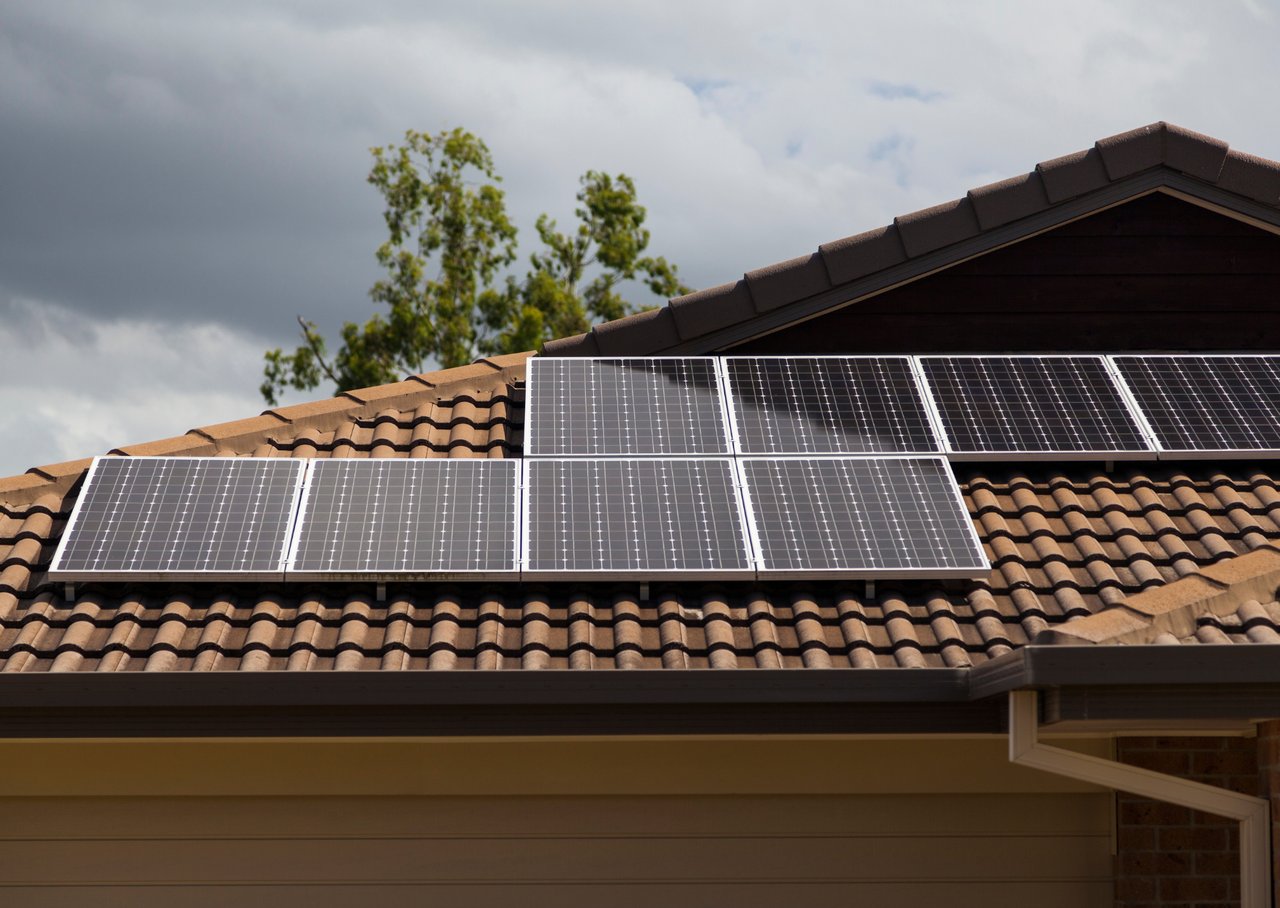
Solar panels that offset or eliminate grid consumption during the day
Better insulation in walls and especially the roof, which is where most heat enters
High-performance windows with low-E glazing on sun-exposed elevations
Proper orientation to catch trade winds and avoid the worst western sun
Efficient HVAC systems, often inverter-driven mini-splits zoned by room
LED lighting and energy-efficient appliances throughout
When buyers see actual utility bills from a green home, the value calculation is immediate and concrete. Lower operating costs translate directly into either higher offering prices or faster sales at asking price. The savings compound for the buyer year after year, and the seller captures part of that future value at the point of sale.
Solar Has Become a Near-Necessity, Not a Luxury
Aruba's solar potential is exceptional. With more than 2,500 solar hours annually and consistent year-round sunshine, photovoltaic systems perform extremely well here. Payback periods on residential solar installations are notably shorter than in temperate climates, often in the 5 to 8 year range depending on system size and household consumption.
For a home being sold, an existing well-maintained solar system is increasingly treated as essential infrastructure rather than a bonus. Buyers ask about it directly. Listings without solar in higher-end segments face quiet pricing pressure that didn't exist a few years ago. Net metering arrangements with N.V. Elmar add further appeal, since excess generation can offset future consumption.
Water Is Quietly Becoming the Bigger Story
Electricity gets most of the green building attention, but water is becoming an equally important sustainability story in Aruba. The island is semi-arid, with only about 450 mm of rain annually, and virtually all drinking water comes from desalination. That makes water expensive and, in extended dry periods, occasionally tight.
Green homes here typically incorporate:
Rainwater harvesting through cisterns that capture roof runoff
Greywater systems that reuse water from showers and sinks for irrigation
Low-flow fixtures throughout bathrooms and kitchens
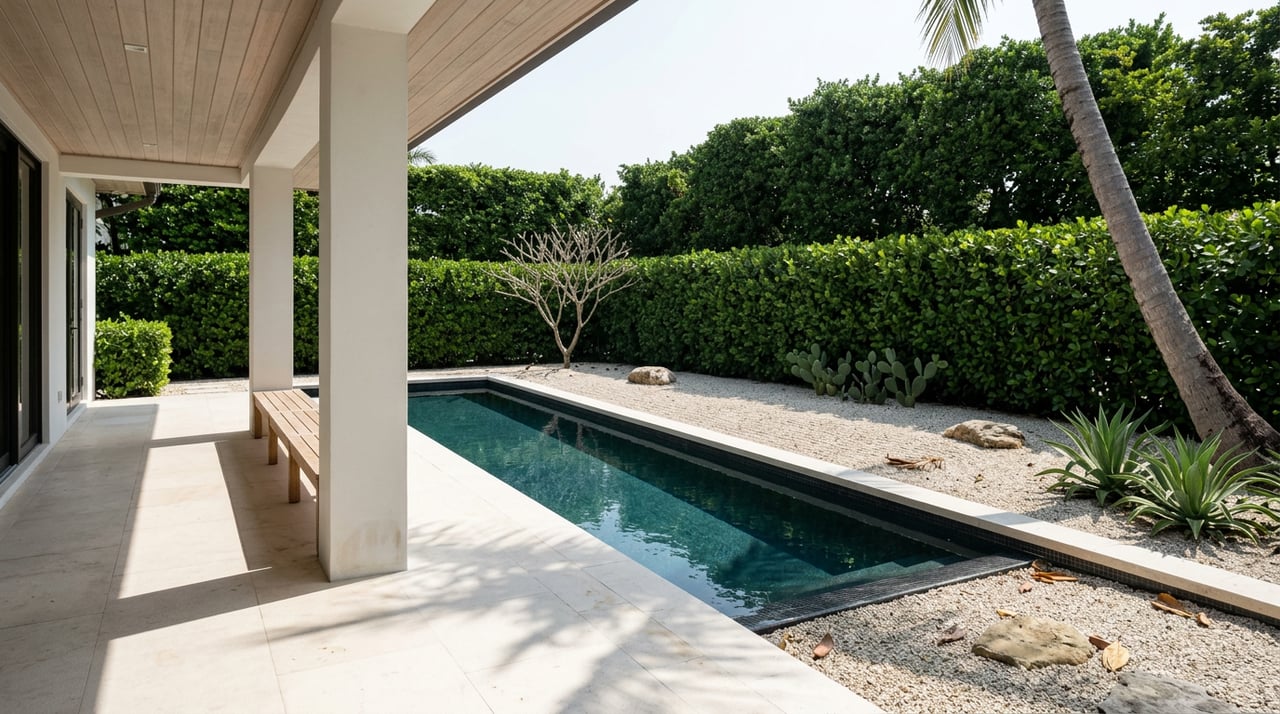
Drought-tolerant landscaping using native and xeriscape plants that don't need constant watering
Drip irrigation rather than sprinklers, where irrigation is needed at all
Buyers who've owned in Aruba before, or who've done their homework, look for these features specifically. A property with a well-designed cistern system and a landscape that doesn't drink money every month is meaningfully more attractive than one with a lawn fighting the climate.
Resilience Adds Value Most Buyers Now Appreciate
Green building and resilient building overlap heavily in Aruba. The same design choices that make a home efficient (good insulation, tight construction, smart orientation, durable materials) also make it more comfortable during peak heat, more resistant to salt corrosion, less prone to mold, and better able to ride out the occasional tropical storm or grid outage.
Homes with solar plus battery storage in particular have moved from curiosity to genuine value driver. When the grid hiccups, those homes keep cooling, the fridge keeps running, and the Wi-Fi stays on. Buyers who've experienced a long outage understand exactly what that's worth, and it shows up in their offers.
Lower Maintenance, Longer Life
Conventional construction in Aruba's climate ages quickly if shortcuts are taken. Cheap fasteners corrode in the salt air. Standard windows fade and leak. HVAC systems oversized or poorly placed run constantly and fail early. Paint peels, sealants crack, and small problems compound.
Green homes, almost by definition, are built with longer-lasting materials and better detailing. Stainless or marine-grade hardware, UV-stable exterior finishes, properly sized and ventilated mechanical systems, careful waterproofing details. These choices cost more up front and significantly less over a 20-year ownership period. When a buyer's inspector finds a house that's been built and maintained this way, the inspection report itself becomes a selling document.
The Buyer Pool Is Skewing Greener
The demographics of who's buying in Aruba have shifted. Foreign investors, second-home buyers, retirees from Europe and North America, and digital nomads transitioning to longer-term residency all tend to share a few common preferences: they care about environmental impact, they pay attention to operating costs, and they've often seen green building done well in their home markets. They're not asking whether a home is sustainable as a moral test; they're asking because they know what they want and what it's worth.
This buyer profile also tends to pay in cash or with strong financing, which makes the segment less price-sensitive at the high end and more reliable at the closing table. Sellers of green homes find themselves negotiating with a buyer pool that's both motivated and financially solid.
Resale Patterns Bear It Out
While Aruba doesn't have public real estate data as granular as some larger markets, local agents and developers consistently report a few patterns:
Days on market tend to be shorter for properties with documented green features.
Price reductions during listing periods happen less often on well-designed sustainable homes.
Repeat buyers (people on their second or third Aruba property) almost always upgrade toward more sustainable features, never away from them.
Rental yields on green properties tend to be higher, since operating costs are lower and guests increasingly choose listings that mention sustainability.
In a small market like Aruba, where buyer pools for higher-end properties are limited and reputation travels fast, building a home that holds up well, costs less to run, and looks good on the listing is one of the most reliable ways to protect resale value.
What This Means If You're Building, Renovating, or Selling
If you're building new, treat sustainability features as core specifications rather than upgrades. Solar-ready electrical infrastructure, proper insulation values, good window specs, water systems, and durable exterior materials cost less to incorporate from the start than to retrofit later. Aim for a house that genuinely earns its low operating bills, not one that just looks the part.
If you're renovating, prioritize the invisible upgrades that drive performance: insulation, windows, HVAC right-sizing, lighting, and water systems. These are less photogenic than a new kitchen but they show up in the utility bills and in the inspection report, which are increasingly what serious buyers actually care about.
If you're selling, document everything. Keep records of utility bills, solar production data, maintenance on mechanical systems, and any certifications or specifications for materials used. Buyers in this segment respond strongly to proof. A spec sheet showing the actual performance of the home is worth more than a brochure full of vague claims.
The Long View
Aruba is small, dependent on tourism, and exposed to climate risks in ways the island's leadership has long taken seriously. The trajectory points toward more sustainability regulation, higher energy costs over time, and a buyer pool increasingly attuned to operating efficiency and environmental impact. Green homes aren't holding their value because of a passing trend. They're holding their value because they're better suited to the place they're built in, and that fit gets more valuable every year.
Sources
Aruba.com (Aruba Tourism Authority), "Sustainability in Aruba" — aruba.com
U.S. Department of Energy, "Aruba Island Energy Snapshot" — energy.gov
National Renewable Energy Laboratory, "Energy Snapshot: Aruba" — docs.nlr.gov
Climate Action, "Aruba targets 100% renewables by 2020" — climateaction.org
BlueAruba Realty, "Economy and Real Estate in Aruba" — bluearubarealty.com
100% Renewable Energy Atlas, "Aruba" — 100-percent.org
Energy policies, incentives, and utility rates change over time. Verify current specifics with WEB Aruba, N.V. Elmar, and a qualified local energy consultant or real estate professional before making investment decisions.